
_1.webp)

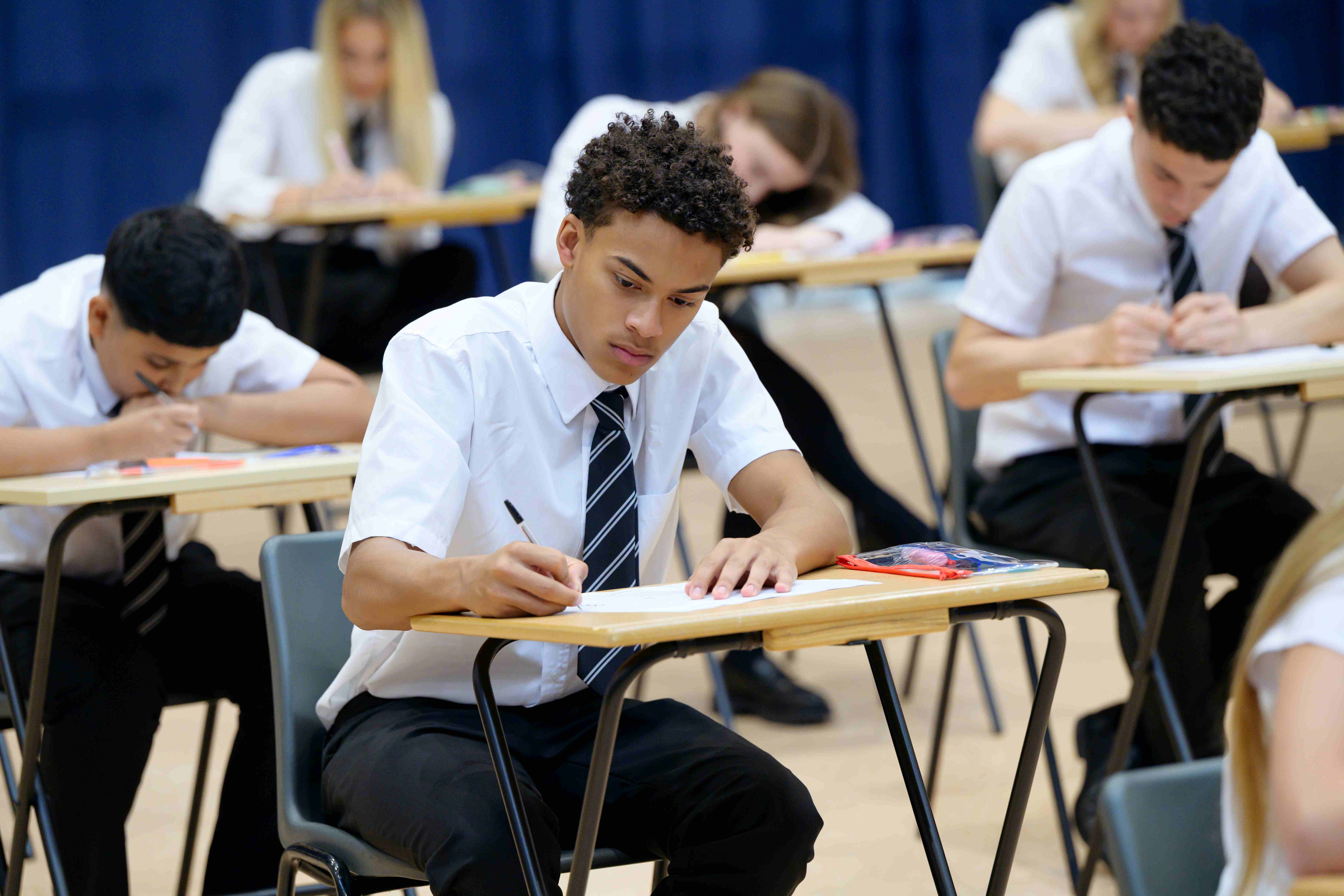
Today’s GCSE results show boys are still behind girls with 64.2% of GCSEs entered by boys achieving grades of 4 and above (69.9% girls) and 19.5% of boys’ entries achieving 7+ grades (24.10% girls). Data published earlier by Ofqual shows boys are still behind girls with 41.9% of 16-year-old boys achieving a Grade 4 (standard pass rate) or above in all their GCSEs compared to 51.1% of girls.
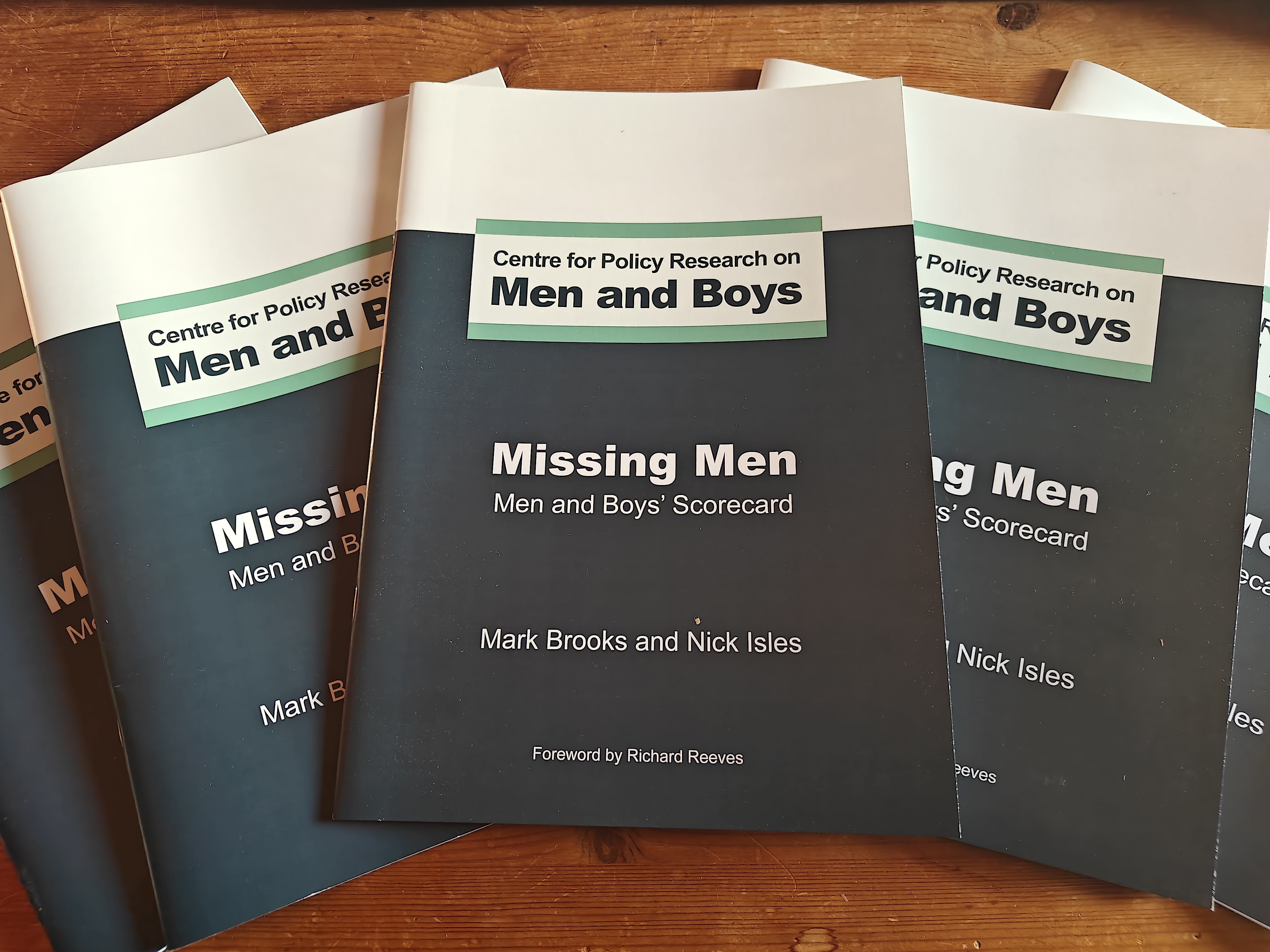
The fact that 35.8% of boys’ grades including 46.3% in English language and 41.1% in maths do not receive the necessary Grade 4, means many will find it difficult to progress in careers or education, fuelling the NEET crisis. In response to the continuing underperformance of boys, the Centre for Policy Research on Men and Boys is hosting the first-ever Boys’ Education Commission to understand the reasons and provide the solutions. The Commission has just launched its call for evidence.
The overall gender attainment gap follows a longstanding trend, where boys start school behind girls and never catch up. This pattern was seen in last week’s A level and technical education results with one outcome being that 26,000 fewer 18-year-old English boys had been accepted by universities than their female peers.
GCSEs are a more direct gateway into employment and apprenticeships (as well as into Level 3 education), and the majority of employers (DfE Employer Skills Survey 2024) regard GCSE English and maths at grades 4–9 as either “critical” or “significant” when recruiting. This therefore has huge significance for the work prospects of young men. The overall male NEET figures are at a 14-year high (257,000 are unemployed and 297,000 are economically inactive/not looking for work) - that is 14.4% of males in this 16-24 age group.
Mark Brooks, Policy Director of the Centre for Policy Research on Men and Boys says: “Congratulations to all those boys and girls who have worked so hard for their GCSEs.
“The longstanding gap between the performance of boys and girls has real world consequences that urgently need addressing. It is harming boys’ job prospects, life prospects and their overall wellbeing. Too many boys are not doing as well as they should. It is a key reason why we are hosting the Boys’ Education Commission, because we urgently need to find out why boys are underperforming, and then argue for the policies that will provide solutions. Given the NEET crisis, the need to grow the economy and improve boys’ life and social engagement, we cannot wait a moment longer.”
Martha Lucas, Lead Researcher of the Centre Policy Research on Men and Boys says:
“The question today must surely be, why are we not doing anything about it? Something must be going terribly wrong if more than 1/3 of boys are failing to reach the ‘standard pass’ expected in English and Maths. Today’s results are particularly bad for boys but not that great for girls either. How can we say our education system is working when so many students leave formal education without the necessary qualifications for future employment?”
CPRMB is hosting a Boys’ Education Commission (BEC), chaired by Peter Hyman, trying to get to the bottom of why boys in particular are struggling at all levels, from early years right through to higher education. Martha says, “The BEC has recently issued a call for evidence, asking for suggestions for any ways in which the situation could be improved. We don’t just want to hear from professional educators, but from men and boys, parents – anyone a view and lived experiences they can share. The next generation needs to be sure that its educational landscape will offer more routes to success and more space for every talent to grow and thrive.”