
_1.webp)

.png)
.jpg)
Call for evidence: Let us know what you think
As Chair of the newly-launched Boys’ Education Commission, I would like to invite you to provide your expertise, insight and views on how to ensure that boys thrive in education.
Our commission is trying to get underneath why boys are on average underperforming in education and falling behind in areas including literacy, attainment and engagement. We want to understand the causes; we also need your ideas on the solutions.
It is crucial to our work that we hear from people with a range of different perspectives particularly those who work with boys and young men on a day-to-day basis.
At its heart, the Commission will look at how, in this increasingly fast-paced, rapidly-changing digital world, we bring up boys to flourish: how we show them that they are valued, how we give them a rich and varied education, how we ensure they have role models to look up to and how we prepare them to take their place as valued and successful members of society.
We are looking at ‘education’ in its widest sense. Not just narrow exam success, though that matters, but how boys grow up with the confidence and tools to flourish as successful men, fathers, brothers, sons, friends and work colleagues.
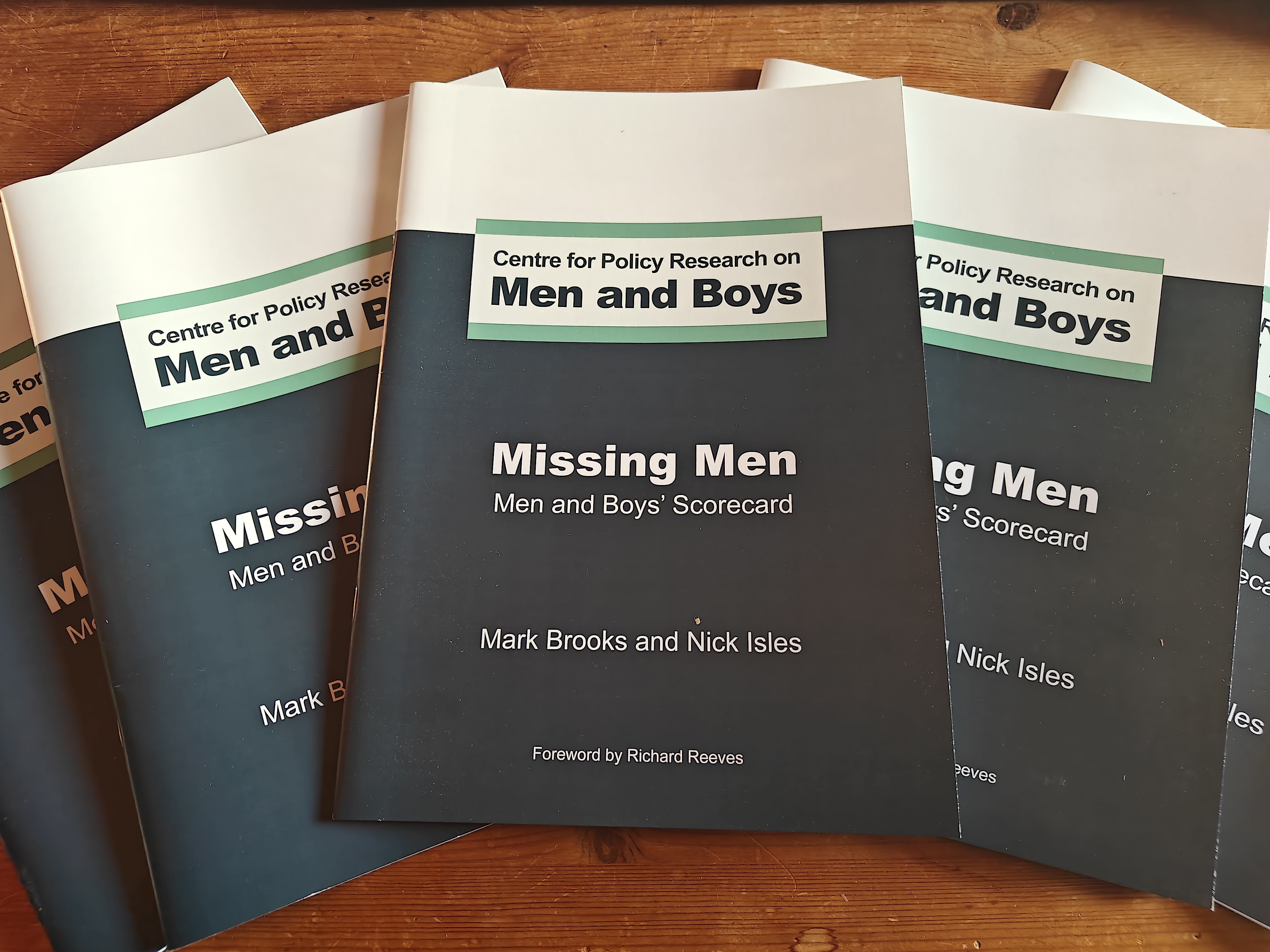
You can find more information on the Commission, hosted by the Centre for Policy Research on Men and Boys’ charity, and its remit on our webpage.
The Commissioners, drawn from education, academia and other organisations, will then seek to develop actionable recommendations for government, policy makers, the education system, boys and their parents. The Commission will finish its work in Spring 2027.
How to take part
Fill out this survey:
The questions can be found at the end of this page.
If you are having trouble using the survey (this is our preferred method to help us with the analysis), please do email your views to boysedcomm@menandboys.org.uk
If you have colleagues who may also have important insights with whom you wish to share the survey, we would be delighted if you would do so.
Closing date: Monday 21st September 2026 (23:59).
Additional ways to take part
As well as this call for evidence, we will be conducting visits, convening a youth panel, showcasing conversations with a range of people, and asking the wider community for their views. If you want to be involved in a podcast and/or host a visit, we would be delighted to hear from you.
Follow the Commission
You can follow the work of the Commission by signing up to the CPRMB newsletter (see bottom right), follow us on LinkedIn, Instagram and our website pages.
Get in touch
Please do feel free to contact us with any other information or questions you have at boysedcomm@menandboys.org.uk
Thank you for your time and consideration. My fellow commissioners and I look forward to learning from your insights and expertise.
Peter Hyman, Chair, Boys’ Education Commission
Further Information
Please do feel free to contact us with any other information, any questions you have at boysedcomm@menandboys.org.uk
What are the Survey Questions?
The core questions the Commission is asking are set out below and included here to help you prepare your answers before submitting them:
1. What is your diagnosis of the challenges facing boys in education?
Where are boys struggling, where are they thriving, and what are the main factors shaping their experience and outcomes?
We are particularly interested in evidence and insight on academic attainment, attendance, behaviour, exclusions, progression, motivation, wellbeing, identity and boys’ sense of purpose and belonging.
Where relevant, please consider how boys’ experiences differ by factors such as:
- class and poverty
- family circumstances
- geography and place
- ethnicity
- SEND and additional needs
- their aspiration and expectations
- others' aspirations and expectations of them
- identity, masculinity and belonging
- peer culture and online influences
- role models, adults and relationships
Please include the best available evidence, data, research or lived experience that supports your view.
2. What changes or reforms would have the greatest positive impact for boys?
What should schools (including MATs), early years, colleges, universities, youth organisations, teacher training colleges, career services, employers, communities, local leaders, tech companies or government do differently?
We are interested in both immediate practical changes and longer-term system reforms.
3. What curriculum, assessment and pedagogy changes might better support boys’ learning and development?
Are there particular approaches to curriculum design, teaching, assessment, literacy, oracy, vocational learning, enrichment or applied learning that could improve boys’ engagement, attainment and progression? Please include evidence or examples where possible.
4. What helps boys develop a positive sense of identity, belonging and purpose?
What supports boys and young men to build confidence, responsibility, empathy, resilience, ambition, belonging and healthy relationships?
We are particularly interested in the role of schools, teachers, families, peers, youth work, sport, arts, faith groups, mentoring, volunteering, employment and online culture.
5. Most boys have a strong sense of identity and purpose in schools.
(Answer: Strongly agree/ Agree/ Disagree/ Strongly disagree)
6. Most boys have positive role models growing up.
(Answer: Strongly agree/ Agree/ Disagree/ Strongly disagree)
7. What are examples of excellent or innovative practices in working with boys and young men?
Please tell us about programmes, schools, colleges, youth organisations, community initiatives, mentoring schemes, curriculum models, approaches or other examples that appear to be making a positive difference.
8. How would you describe the relational environment in schools, and how do boys and girls perceive and engage with one another?
Within this answer, please reflect on the broader dynamics and environment of schools. Consider the extent to which boys and girls understand each other’s experiences and whether their interactions and relationships appear positive. Reflect on whether there are shared or overlapping areas of concerns.
Consider how important it is to understand the relationships between boys and girls when addressing the educational challenges facing boys, considering how these interactions and perceptions of each other shape students' experiences, identities, and opportunities within the school context.
9. Please use the space below to provide any additional thoughts or comments
-----------------------------------------------------------
Privacy Policy
Individual answers supplied will not be published with any names and/or organisations without prior consent. All data and responses will be compliant with the Centre for Policy Research on Men and Boys’ data privacy policy.