
_1.webp)

The case of the Cornell University men of the Chi Phi fraternity has generated many column inches, much concern and anger, and has plainly had devastating consequences for the young woman at the centre of the allegations, whatever the outcome of the newly reopened criminal investigation. No criminal charges have yet been brought and the allegations remain contested, making due process essential. But there is a wider question which should not have to wait for the resolution of this particular case.
The questions we need to answer are not simply what happened, who is telling the truth and why other men allegedly present did not intervene - important questions though these self-evidently are. The larger public-policy question is: how do we drive down incidences of violence, including sexual violence, committed by men against women and others?
The answer must begin much earlier. We need to educate boys and build cultures among men that celebrate accountability, responsibility, courage and respect for others, while rejecting the idea that aggression, sexual entitlement or domination are evidence of masculinity. The Stoic conception of masculinity associated with Marcus Aurelius regarded mastery of one's impulses, rather than surrender to anger and appetite, as a mark of strength. There is something worth recovering in that idea.
Universities also need to ask whether some aspects of their own cultures undermine those values. American fraternities are an obvious place to start. Institutions should examine whether organisations ostensibly created (often at the back end of the 19th Century) to promote fellowship can instead sometimes reinforce outdated ideas about status, sexual conquest, male entitlement and the objectification of women.
Cornell's own evidence gives ample reason for concern. Its 2025 Survey of Sexual Assault and Related Misconduct found that 35% of undergraduate women responding to the survey reported experiencing sexual assault during their time at Cornell, compared with 23% in 2023. Cornell itself cautions that the 2025 undergraduate response rate was only 13%, meaning the precise prevalence estimates need to be interpreted carefully. But even with that important caveat, these are profoundly troubling findings.
So why is this happening?
There is no single explanation—and looking for one is part of the problem. Male violence against women is not caused simply by masculinity, pornography, fraternities, alcohol, social media or inadequate consent education. Most men exposed to any or all of these things do not commit sexual violence. The more useful question is why a minority do.
Research into sexual violence in higher education points towards an interaction of individual behaviour, peer norms and environment. It seems that previous sexual-violence perpetration is the strongest predictor of subsequent perpetration at university. But peer approval of sexual violence is also predictive. That matters enormously because it suggests that what a group of young men regards as acceptable can affect the behaviour of individuals within that group. This is why male culture matters.
Young men take cues from other young men. A group can amplify either the best or the worst characteristics of its members. Where the prevailing culture prizes self-control, responsibility and respect, those become markers of status. Where status is instead associated with sexual conquest, intoxication, humiliation or demonstrating dominance over women, the incentives can run in the opposite direction. That is why concentrating exclusively on the potential perpetrator misses an important part of prevention.
We need to concentrate on the other men in the room.
The man who challenges the degrading comment. The friend who recognises that a woman is too intoxicated to consent. The fraternity member who refuses to allow drugs to become part of a sexual encounter. The student who intervenes when his friend is behaving aggressively. And the young man who is sufficiently confident in his own masculinity to say to the group: this is wrong.
And this can be taught. There are brilliant groups such as Progressive Masculinities that encourage young men to discuss what matters to them and helps build a route to a positive view of masculinity. However it is also the case that the online world is now part of boys' sex and relationships education. For previous generations, ideas about sex, masculinity and relationships were shaped primarily by families, friends, schools, television and wider culture. Today's boys inhabit an entirely different information environment. Pornography, social media, influencers, messaging platforms, dating apps, gaming communities and algorithmically recommended content can all contribute to the development of their ideas about sex, women and masculinity long before they arrive at university. That does not mean that viewing pornography or encountering the so-called manosphere causes a boy to become violent. The evidence does not support such a simplistic proposition.
Indeed, Ofcom's research into the manosphere found a much more complicated online ecosystem than is sometimes portrayed. Men can initially be attracted by humour, debate, fitness, relationships and self-improvement. But Ofcom also found that socially isolated individuals appeared particularly vulnerable to harmful views promoted within more closed and insular online communities. That distinction matters.
If we simply tell boys that the online spaces they inhabit are dangerous, misogynistic or forbidden, we are unlikely to understand their attraction. Nor will we develop effective alternatives.
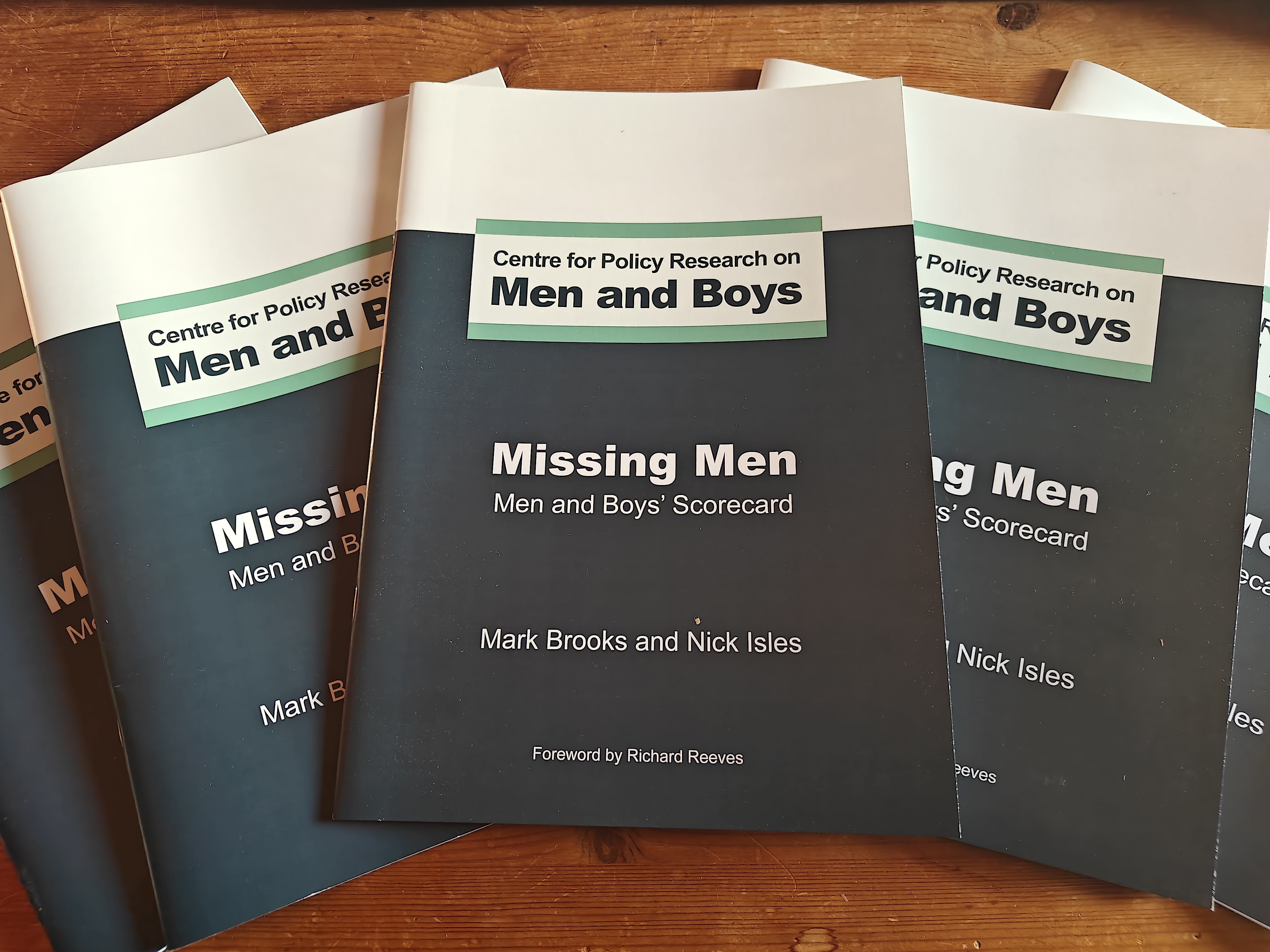
We need instead to ask what need the online environment is meeting. Is it offering belonging, status, advice about relationships, an explanation for rejection, a route towards physical improvement, how to make money, providing community or where their worries are taken seriously? Understanding those questions is central to the Centre for Policy Research on Men and Boys' (CPRMB) developing research programme on Online Harms.
CPRMB is examining boys' digital lives from childhood through adolescence, including exposure to pornography; social media and messaging platforms; online misogyny; dating and relationship content; gambling and gaming environments; AI-generated and deepfake sexual imagery; and the ways in which algorithms can progressively recommend more extreme material.
It asks how digital environments interact with the developmental needs and vulnerabilities of boys aged 8–18; what pathways lead from relatively innocuous material towards more harmful content; which boys are most vulnerable; and what role parents, schools, technology companies and government can play in reducing harm.
We also have to build the offline alternative. The first intervention is earlier education. Consent education at university is too late. Boys should learn progressively, and in age-appropriate ways, about consent, relationships, pornography, digital behaviour, respect and self-control throughout adolescence. That education should engage boys rather than lecture them, and should recognise that healthy masculinity can itself be part of the solution.
Second, we need active bystanders, not passive witnesses. Every university, sports organisation, fraternity, school and youth organisation should consider how boys and young men are taught to intervene when another male's behaviour crosses a line.
Third, institutions need to address high-risk cultures rather than merely high-risk individuals. Where particular environments repeatedly generate allegations of sexual misconduct, the institution has a responsibility to examine the incentives, leadership, alcohol and drug culture, traditions and peer norms operating within them.
Fourth, technology companies need to take greater responsibility for the journeys their algorithms create. Freedom of expression does not require platforms to construct recommendation systems that progressively steer vulnerable adolescents towards increasingly extreme material. Greater transparency about recommendation algorithms, effective age assurance and stronger protection against sexualised and misogynistic content aimed at children should all form part of the response.
Fifth, boys need credible alternatives. Telling a 15-year-old boy not to listen to an online influencer is unlikely to work if that influencer is the only person apparently addressing his questions about relationships, sex, rejection, fitness, money, status and what it means to become a man. Parents, teachers, coaches, youth workers and, critically, other men need to occupy that space.
Reducing violence against women is overwhelmingly in men's interests too. Men want their daughters, sisters, partners, friends and colleagues to be safe. They also want their sons to grow into decent men, capable of forming loving relationships and exercising judgement and self-control.
The Cornell case will ultimately be determined through legal processes, not newspaper columns or social media. But we do not need to await that outcome before confronting the much larger question it raises. A society serious about reducing male violence cannot concentrate only on punishment after violence has occurred.
The ultimate measure of success is not how effectively we punish violence against women. It is how effectively we prevent it from happening in the first place. That is why understanding boys and men must be part of the solution to violence against women, rather than being seen as competing with it.


.png)